ICE TTF Extension and Global Gas Markets
Analyzing the 120% Hours Increase and Its Impact on 3 Major Gas Hubs

It was time to talk about ICE. Their efforts to increase the trading hours will definitively have an effect this February 23 and this post dives into details, impacts on trading strategies, and the influence on three major gas hubs.
Fun disclosure: If you were triggered by reading the first line of this post, it might indicate you consume too much mainstream media. Talk to a friend and seek professional advice. You are welcome!
Context
In December 2025, the Intercontinental Exchange (ICE) announced a significant change to the trading schedule for its Title Transfer Facility (TTF) natural gas benchmark, the primary European gas hub. Effective February 23, 2026, TTF trading hours will expand from approximately 10 hours per day (roughly 7:00-17:00 GMT) to 22 hours per day, aligning with the extended trading schedules of Henry Hub and Japan-Korea Marker (JKM) contracts.
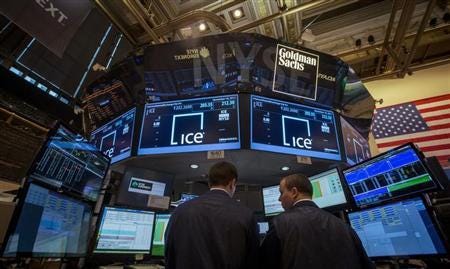
This extension represents a strategic move to enhance global natural gas market integration, particularly for liquefied natural gas (LNG) cross-basin flows priced in USD/MMBtu. The initiative follows record trading volumes in 2025, with over 103M TTF contracts traded, demonstrating robust market demand and liquidity that justified the operational expansion as market participants preparing for the transition scheduled for late February 2026.
Impact of Extending Hours at Intercontinental Exchange
Volatility and Liquidity Profile Changes
The expansion of trading hours is expected to fundamentally reshape TTF’s intraday volatility and liquidity characteristics. Historically, TTF volatility has clustered around two key periods: the European market open (reflecting overnight news and flow accumulation) and the U.S.-Europe overlap (characterized by higher global trading volumes).
The 22-hour trading schedule will likely produce several effects:
Reduced Peak Volatility: Order flow spikes that previously concentrated at traditional open and close times will be diluted across a broader time window, potentially dampening extreme price movements during these historically volatile periods.
Increased Off-Peak Volatility: Conversely, periods with thinner liquidity, such as late European evening or early Asian overlap hours, may experience heightened volatility. Wider bid-ask spreads and more pronounced reactions to news events are expected during these quieter sessions.
Overall Liquidity Growth: While intraday liquidity profiles may flatten, total daily liquidity is projected to increase over time as more participants gain access across different time zones. This pattern mirrors developments in other markets that extended trading hours, including U.S. equity after-hours trading and 24/7 foreign exchange markets.
Implications for Trading Strategies